Source High Temperature Resistant PTFE Diaphragm for Pumps
Find a high temperature resistant ptfe diaphragm for industrial pneumatic pumps and chemical processing. Compare 25 available options featuring corrosion resistance, wide temperature ranges, and custom molding services from verified manufacturers; compare the available evidence and request quotations based on your requirements.
Key considerations
Products List








Comprehensive Sourcing Guide
High Temperature Resistant PTFE Diaphragm Sourcing Guide
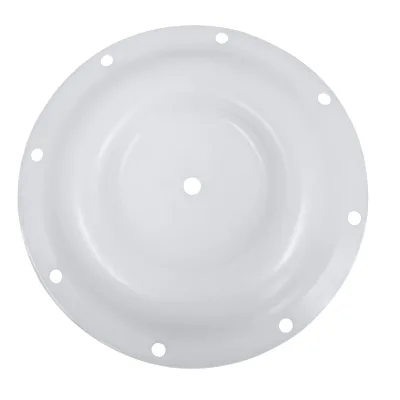
Buyers must first distinguish between general industrial plastic fittings and specialized diaphragm components when searching for high-temperature resistant PTFE solutions. The market offers a diverse range of products, from round plastic fittings to composite diaphragms designed specifically for pneumatic pumps. Understanding that some listings describe flat PTFE sheets while others specify complete diaphragm assemblies is critical for aligning procurement needs with actual product capabilities.
Procurement teams should verify that the observed product attributes match the specific operational environment of their machinery. While some items are listed with a reasonable advantage for general industrial use, others explicitly state a wide working temperature range between -200°C and +250°C. This distinction ensures that the selected component can withstand the thermal stresses of the intended application without premature failure or degradation of the PTFE material.
Product Scope and Observed Listing Signals
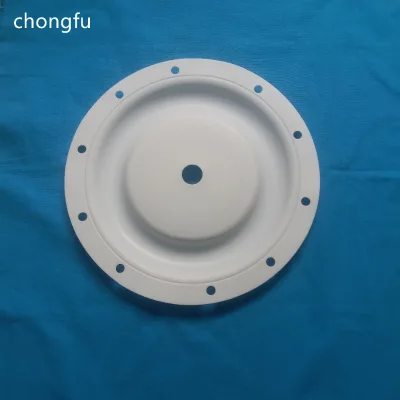
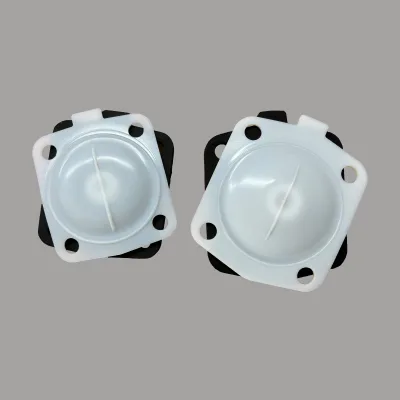
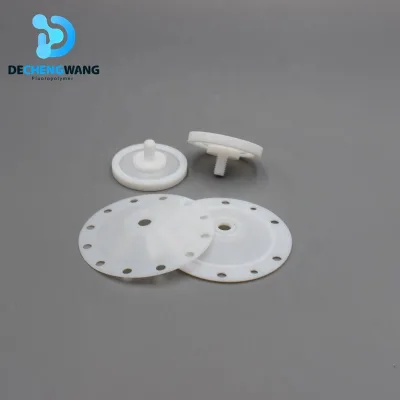
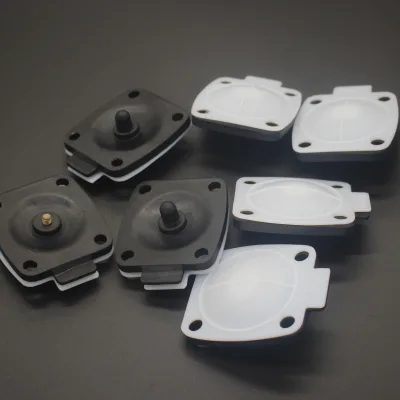
The available product scope includes various configurations such as composite diaphragms with white and black coloring, as well as diaphragms featuring a white and yellow color scheme. These items are often described with specific models like 95930-t or HD150, indicating that buyers must carefully cross-reference model numbers with their equipment requirements rather than relying on generic descriptions. The presence of optional colors suggests that visual identification or specific aesthetic requirements may be part of the selection criteria for certain industrial setups.
Signal analysis reveals that many listings emphasize multifunctional capabilities and corrosion resistance, which are essential for harsh chemical environments. Some products are explicitly noted for their use in pneumatic pumps, while others are categorized broadly as industrial plastic parts. Buyers should note that while some items offer customization, others come with fixed specifications like a 340*1mm standard size, requiring precise matching to existing system dimensions before placing an order.
Technical Specifications to Verify
Technical verification must begin with the material composition, as the most reliable high-temperature options combine PTFE with rubber or EPDM layers. Listings indicate materials such as PTFE&Rubber or PTFE+EPDM, which provide the necessary flexibility and chemical resistance for demanding applications. It is imperative to confirm that the specific material blend supports the required pressure ratings, as some diaphragms are rated for low pressure while others may handle different stress levels depending on the construction.
Dimensional accuracy and processing services are equally critical for ensuring a proper fit within the host machinery. Buyers should check if the supplier offers molding and cutting services to achieve precise dimensions, as standard sizes like 337161.4mm or 13571.3mm may not suit every installation. Additionally, verifying the fatigue life, which can reach up to 15,000,000 cycles for certain models, helps in predicting the service life and maintenance intervals required for continuous industrial operations.
Compliance and Safety Documentation
Compliance verification should focus on the presence of recognized quality management certifications, such as ISO 9001:2015, which indicates a structured approach to manufacturing consistency. While specific safety standards like EN 10204 are mentioned in background contexts, buyers must request actual test reports or certificates of conformity from the supplier to validate that the PTFE diaphragms meet the necessary safety and performance benchmarks for their specific industry.
Safety documentation must also address the chemical resistance properties of the diaphragm, particularly regarding exposure to acids and alkalis. Buyers should ensure that the product data sheets explicitly confirm resistance to the specific chemicals present in their process fluids. Furthermore, understanding the warranty period is vital, as many diaphragms are classified as wearing parts with no warranty, meaning the procurement strategy must account for regular replacement schedules rather than relying on long-term guarantees.
Cost Drivers and Commercial Terms
Cost drivers in this category are heavily influenced by the complexity of the material composition and the level of customization required. Products featuring specific model numbers like SEK-M6 or those supporting OEM services often command different pricing structures compared to standard off-the-shelf items. Buyers should anticipate that the inclusion of specialized processing services, such as custom molding or cutting, will add to the overall unit cost and must be factored into the total cost of ownership calculations.
Commercial terms regarding minimum order quantities and delivery timelines vary significantly across the market, with some suppliers offering an MOQ of just one piece while others require larger volumes. Lead times for standard delivery typically range from 7 to 15 days, whereas sample times can extend to 10-20 days, impacting the speed of project initiation. Procurement teams must align their ordering schedules with these timelines to avoid production delays, especially when dealing with urgent replacement needs for critical pneumatic pump components.
Supplier Qualification and Quality Control
Supplier qualification should prioritize manufacturers who demonstrate a clear capability for customization and offer OEM support for specific brand requirements. The presence of a brand name like CF on certain listings suggests that established manufacturers are available, but buyers must verify the supplier's ability to maintain consistent quality across batches. It is essential to confirm that the supplier has the necessary infrastructure to handle the specific processing services required, such as molding and cutting, to ensure the final product meets exact specifications.
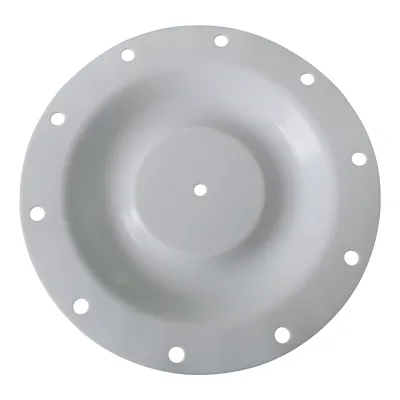
Quality control protocols must be rigorously applied to verify the physical attributes of the diaphragms, including color consistency and shape accuracy. Since some products are described as having a shape "as picture shows," buyers should request physical samples to validate that the actual product matches the visual representation and dimensional standards. Additionally, checking the packing methods, such as PE bags combined with cartons, ensures that the components arrive in pristine condition, free from damage that could compromise their performance in high-temperature environments.
Long-Term Procurement Checks
Long-term procurement strategies must account for the wear characteristics of diaphragms, which are inherently consumable components with no warranty coverage. Buyers should establish a proactive replacement schedule based on the observed fatigue life of 15,000,000 cycles to prevent unexpected equipment downtime. Regularly reviewing the performance of installed diaphragms against the expected temperature range of -200°C to +250°C will help identify any deviations that might indicate a need for a different material specification or a more robust supplier.
Continuous monitoring of supplier performance is necessary to ensure that delivery times and quality levels remain consistent over multiple orders. Buyers should track the reliability of shipping methods like DHL, FedEx, or UPS to maintain an efficient supply chain for critical spare parts. By maintaining a relationship with suppliers who offer reasonable advantages and excellent quality, organizations can secure a steady supply of high-temperature resistant PTFE diaphragms that meet their evolving industrial needs.
FAQs
What is the temperature range for high temperature resistant PTFE diaphragms?
These diaphragms operate between negative 200 and 260 degrees Celsius. This wide working range ensures stability in extreme industrial environments. The material composition allows consistent performance under severe thermal stress conditions without degradation or failure during operation.
Can I customize the specifications for my industrial plastic parts needs?
Customization is available for various product models and dimensions. You can request specific shapes or sizes to match your pneumatic pump requirements. The supplier accepts OEM support and offers flexible molding and cutting services to meet unique application standards.
Which certifications do the manufacturers hold for quality assurance?
Manufacturers hold ISO 9001:2015 certification for their production processes. This ensures consistent quality control across all plastic fitting and diaphragm outputs. Buyers can rely on these documented standards when sourcing components for critical industrial applications requiring verified material integrity.
How long is the delivery time for bulk orders of diaphragms?
Standard delivery time ranges from seven to fifteen days after order confirmation. Sample orders typically require ten to twenty days for preparation. Shipping options include major carriers like DHL, FedEx, and UPS to ensure timely arrival at your facility.
What is the minimum order quantity for purchasing these plastic fittings?
The minimum order quantity starts at one piece for most items. This low threshold allows small businesses to test products before scaling up. Bulk orders up to five thousand pieces are also supported with reasonable pricing structures for larger volumes.
Are these diaphragms suitable for use with acid and alkali chemicals?
Yes, the PTFE and rubber materials provide excellent resistance to acids and alkalis. This chemical stability makes them ideal for harsh industrial processing environments. The corrosion resistance ensures long service life even when exposed to aggressive chemical agents during operation.
What packaging methods are used for shipping the composite diaphragms?
Products are packed in PE bags followed by sturdy cartons for protection. This dual-layer packaging prevents damage during transit and storage. The carton specifications vary by model but always ensure safe delivery of the fragile wearing parts to the destination.